

Lead glass plays a crucial role in maintaining safety inside medical imaging environments. In hospitals, diagnostic centres, and radiology departments, lead glass for X ray room installations help protect doctors, technicians, and patients from harmful radiation exposure while allowing clear visibility during imaging procedures. High-quality X-Ray Lead Glass is specially designed to block radiation and ensure a safe working environment for healthcare professionals.
What is Lead Glass for X Ray Room?
Lead glass for X ray room is a specialized type of radiation shielding glass that contains a high percentage of lead oxide. This composition helps absorb and block X-ray radiation, preventing it from passing through observation windows in radiology rooms. At the same time, it maintains optical clarity so medical professionals can observe procedures safely.
In modern healthcare facilities, x ray glass is installed in control room windows where technicians monitor X-ray or CT scan procedures. These viewing panels allow radiology staff to maintain visual contact with patients while remaining protected from radiation exposure.
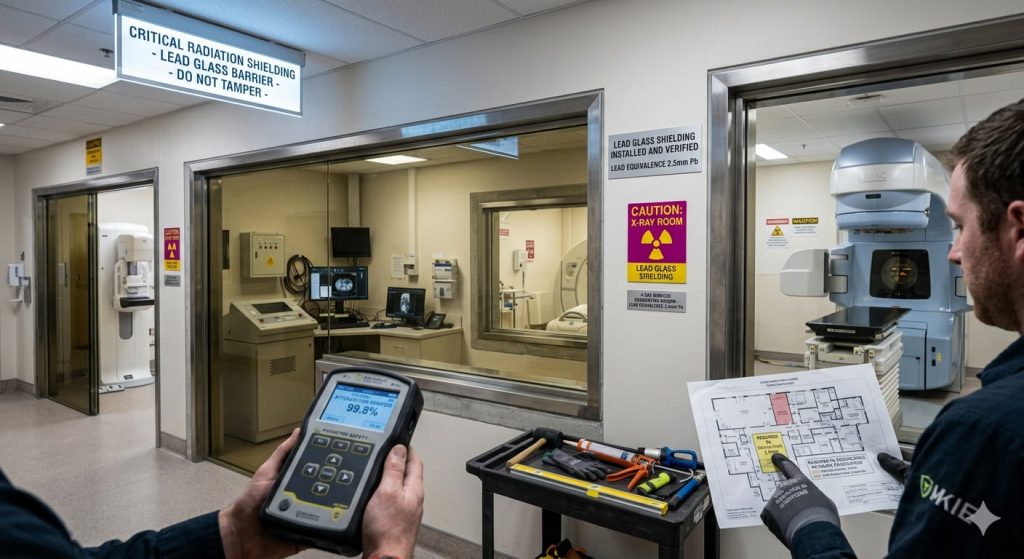
Hospitals rely on lead glass for radiation protection because it combines transparency with effective shielding. Unlike standard glass, which allows radiation to pass through easily, lead glass significantly reduces radiation levels and ensures compliance with safety standards in medical imaging environments.
Importance of X-Ray Lead Glass in Hospitals
Radiology rooms generate significant levels of radiation during diagnostic imaging procedures. Without proper shielding, this radiation could pose serious health risks to medical staff. This is why X-Ray Lead Glass is an essential component in hospital infrastructure.
The main purpose of lead glass for X ray room installations is to create a barrier that blocks radiation while still allowing clear observation of the patient and equipment. Medical technicians typically operate imaging machines from a control room located behind a shielded wall with a viewing window made of x ray lead glass.
This type of glass is designed with high-density materials that absorb radiation effectively. Because of its protective properties, x ray glass is widely used in radiology departments, CT scan rooms, diagnostic laboratories, and nuclear medicine facilities.
Applications of X Ray Glass
High-quality X-Ray Lead Glass is used in several areas within medical facilities where radiation exposure must be controlled. Some common applications include:
Radiology Room Observation Windows
One of the most common uses of lead glass for x ray room is in observation windows between the radiology room and the control room. This allows technicians to monitor the patient while remaining shielded from radiation.
CT Scan Control Rooms
CT scan procedures also produce radiation. Hospitals install x ray glass panels in control room windows to protect technicians during scanning procedures.
Diagnostic Imaging Centers
Diagnostic centres that perform X-ray imaging rely on lead glass for radiation protection to maintain safety standards and protect healthcare workers.
Nuclear Medicine Facilities
In specialized departments where radioactive materials are used, X-Ray Lead Glass helps reduce exposure to radiation while maintaining clear visibility.
Features of High-Quality Lead Glass
Medical-grade x ray lead glass offers several important features that make it suitable for radiation protection in hospitals.
Radiation Shielding Capability
The high lead content in the glass effectively absorbs X-ray radiation and prevents it from passing through observation windows.
Excellent Optical Clarity
Even though the glass contains lead, it still provides clear visibility so technicians can monitor patients and equipment during procedures.
Durability and Strength
Quality lead glass for x ray room installations are designed to be durable and long-lasting, capable of withstanding daily use in busy medical environments.
Multiple Thickness Options
Hospitals can choose from different lead equivalence levels depending on radiation protection requirements.
Lead Glass for Radiation Protection
Radiation safety is a critical requirement in healthcare facilities that use imaging technology. Proper shielding ensures that medical staff are not exposed to harmful levels of radiation over time.
Lead glass for radiation protection is specifically engineered to absorb radiation energy. The lead oxide in the glass interacts with X-ray photons and prevents them from passing through the glass surface. This process significantly reduces radiation exposure outside the imaging room.
Because of its effectiveness, X-Ray Lead Glass is widely recommended by radiation safety standards used in hospitals and diagnostic centres around the world.
X Ray Lead Glass Price Factors
The x ray lead glass price can vary depending on several factors. Hospitals and medical equipment suppliers usually consider these elements when purchasing radiation shielding glass.
Lead Content
The amount of lead oxide in the glass affects its radiation shielding capability and cost.
Glass Thickness
Thicker glass panels provide greater radiation protection but may increase the overall x ray lead glass price.
Panel Size
Larger panels require more material and specialized manufacturing processes, which can influence the price.
Certification and Quality Standards
Medical-grade x ray glass must meet strict radiation safety standards. Certified products may have higher prices but provide better reliability and protection.
Because every radiology room has different shielding requirements, hospitals typically consult radiation protection suppliers to determine the appropriate specifications before purchasing lead glass panels.
Installation of Lead Glass in X Ray Rooms
Proper installation is essential to ensure the effectiveness of lead glass for x ray room shielding systems. The glass panels are usually installed within lead-lined frames in walls separating the radiology room from the control area.
These frames must be carefully sealed to prevent radiation leakage around the edges of the glass. In many hospitals, the installation is performed by professionals who specialize in radiation protection materials.
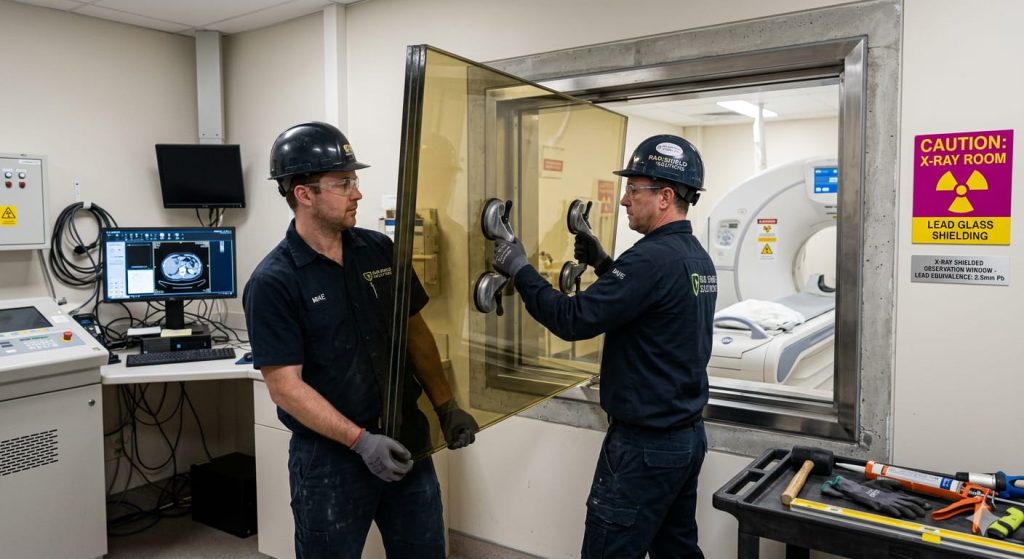
Correct installation ensures that the lead glass for radiation protection functions as intended and provides maximum safety for medical staff.
Choosing the Right X Ray Glass Supplier
Hospitals and diagnostic centres should always choose reliable suppliers when purchasing X-Ray Lead Glass. High-quality products ensure proper radiation protection and long-term durability.
A good supplier should offer:
- Certified radiation shielding glass
- Multiple thickness and size options
- Reliable delivery and support
- Experience supplying hospitals and radiology departments
Working with an experienced supplier ensures that healthcare facilities receive the correct lead glass for x ray room requirements and comply with radiation safety standards.
Conclusion
Radiation protection is an essential part of modern medical imaging environments. Installing lead glass for x ray room observation windows allows hospitals to maintain safety while enabling medical professionals to monitor procedures effectively.
High-quality X-Ray Lead Glass combines radiation shielding with optical clarity, making it an ideal solution for radiology departments, CT scan rooms, and diagnostic centres. With the right materials and proper
High-quality X-Ray Lead Glass combines radiation shielding with optical clarity, making it an ideal solution for radiology departments, CT scan rooms, and diagnostic centres. With the right materials and proper installation, x ray glass provides reliable protection against harmful radiation. When selecting lead glass for radiation protection, hospitals should consider product quality, certification, and supplier expertise. Understanding factors that influence x ray lead glass price can also help medical facilities choose the best solution for their radiology room requirements.